
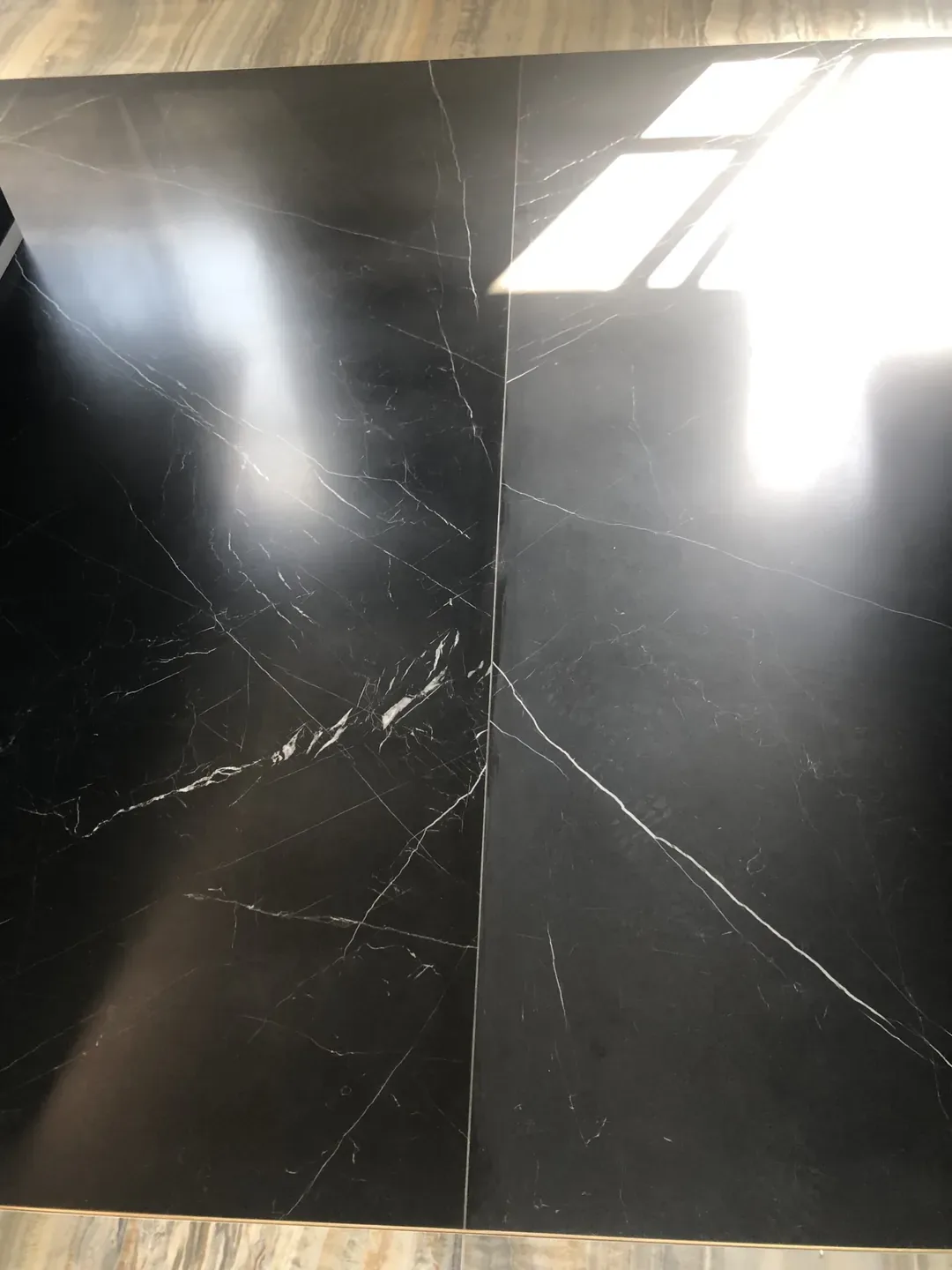
Service IV
Stain & Halo Removal from Floors
Expert extraction of organic stains, rust marks, oil halos, wine rings and water marks from natural stone and polished surfaces.
What We Do
Deep Stain Extraction
Eliminating Every Trace
Natural stone is inherently porous. Marble, travertine, limestone and even dense granite can absorb liquids that penetrate below the surface and leave permanent discolouration. Common culprits in hospitality environments include red wine, coffee, olive oil, citrus juice, rust from metal furniture legs, and hard water mineral deposits. These stains often appear as dark patches, rings or “halos”: shadowy outlines that remain even after the surface has been cleaned.
GFS stain removal uses a poultice technique: we apply a paste composed of an absorbent carrier (diatomaceous earth, talc, or kaolin clay) mixed with a chemical agent specifically chosen for the stain type. The poultice is spread over the stain, covered with plastic film, and left to dwell for 12–48 hours. During this time, the chemical agent dissolves the stain within the stone pores, and the absorbent carrier draws it to the surface through capillary action.
For organic stains (wine, coffee, food), we use hydrogen peroxide-based solutions. For oil and grease stains, we use acetone or mineral spirit blends. Rust stains require specific iron-chelating compounds. Water marks and mineral deposits are treated with mild acidic solutions that dissolve the calcium carbonate buildup without damaging the surrounding stone.
Acid etch marks, the dull spots left by citrus juice, vinegar or acidic cleaning products on marble, are not true stains but rather surface damage. We treat these with localized re-polishing using diamond hand pads, restoring the gloss to match the surrounding area.
After stain removal, we recommend applying an impregnating sealer to prevent future staining. This sealer penetrates the stone pores and creates an invisible barrier that repels liquids while allowing the stone to breathe. We offer this as a combined service for maximum protection.
FAQ
Frequently Asked Questions
Can old, set-in stains be removed?
In most cases, yes. Even stains that have been present for years can be extracted using our poultice technique. Very old organic stains may require multiple applications over several days. We assess each stain and provide an honest prognosis before beginning treatment.
What is the difference between a stain and an etch mark?
A stain is discolouration caused by a substance absorbed into the stone pores. An etch mark is surface damage caused by acidic substances (citrus, vinegar, wine) that dissolve the calcium carbonate in marble, leaving a dull spot. Stains are treated chemically; etch marks are repaired mechanically through re-polishing. We handle both.
Will the treatment damage the polish on my floor?
No. Our poultice technique works below the surface without affecting the polish. If any slight dulling occurs during treatment, we re-polish the area to match the surrounding finish as part of the service.
How can I prevent stains from recurring?
We recommend applying an impregnating sealer after stain removal. This invisible treatment fills the stone pores and repels liquids, giving you time to wipe up spills before they penetrate. The sealer lasts 3–5 years and does not change the look or feel of the stone.
Can you remove rust stains from marble?
Yes. Rust stains are among the most difficult to remove, but our iron-chelating poultice compounds are specifically formulated to dissolve iron oxide deposits within the stone without using harsh acids that would damage the marble surface. Most rust stains can be fully removed in 1–3 applications.